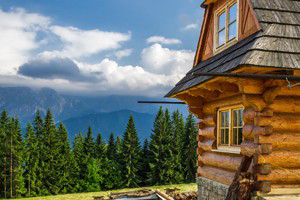
Image provided by Canyon Real Estate.
Located 50 miles east of Yellowstone National Park, Cody is not only a symbol of the ‘Old American West’, but also lies in the heart of world-class fly-fishing country. There are few places left in the lower 48 where one can catch a huge rainbow trout surrounded by mountains and solitude. Off the beaten path and surrounded by big rivers with deep pools, pristine creeks and streams, and lakes, Cody is one of these rare places. Following is some information that will ensure a great, and of course successful, fly-fishing vacation!
Where and when should I go?
Since Cody is ‘off the beaten path’, compared to neighboring Jackson and Montana, you might be wondering what rivers you would fish near Cody. In addition to the trout rivers of Yellowstone National Park, fly-fishing locations include the North and South Fork of the Shoshone River, Greybull River, Wood River, and the Clark’s Fork of the Yellowstone. A favorite of locals and visitors alike, Clark’s Fork is Wyoming’s only federally designated Wild and Scenic River. These pristine cold and clear rivers are filled with wild Yellowstone Cutthroat, Rainbows, Browns, and Brook trout. For those who prefer stillwater fisheries, check out Newton Lake, Luce Lake, and the Beartooth Mountain Lakes. Many of these rivers can be fished year-round, a call to a local shop can provide more information on seasonal hatches and water conditions.
Some of these river stretches, such as the Greybull, Southfork, and Wood, are private. Wyoming’s laws pertaining to these private waters are different than Montana, leading to incredible sections of water that yield bigger and more aggressive fish. Because private water is impossible to access without permission, it is advisable to hire a local guide, as they have a variety of agreements with landowners.
Float-trip Vs. Wading
Wade/walk may be better for beginners, as guides can devote more time to teaching rather than rowing.
Walk /Wade Trips feature wild trout, solitude and scenery. On these trips, you will be shown how to "pick the water apart" by casting your fly over, around and under features of the river or stream you are fishing. These trips are not designed to be strenuous (although we can accommodate that, too) but, instead, they are designed to give you on-hand and over-the-shoulder instructions you might need in order to set the hook. Because you are not being coached from a moving boat, the personal attention you desire is immediate.
Walk/Wade trips are the option for most of our anglers because you can have the streamside experience in an infinite number of locations where floating a boat is not an option. Walk/wade trips also allow you to stay on the water longer to take advantage of the numerous hatches which occur in the last hour and a half of the day. Lots of big trout are caught and released on Walk/Wade trips.
Many of our guests are so new that a basic outfit is required in order for the trip to begin. North Fork Anglers believes those new to the sport or those already possessing some gear, would like some help in choosing the one fly rod that will work everywhere there are trout or bass. The same for reels, waders, boots, et cetera.
Float trips can cover more river, scenery, more fishing.
Float Trips, by their nature, allow anglers to cover a lot of water Most of North Fork Anglers float trips cover 6-10 miles per day. Fly fishing from a boat not only allows you to float over lots of trout in a single day, but also to sit back and see some of the remarkable scenery and wildlife found in the Greater Yellowstone area. Moose, bighorn sheep, deer and elk are seen regularly, as are grizzly and black bears. Float trips allow for one - two anglers per craft.
Float trips are perfect for those anglers whose mobility and balance are affected by wading, or for those anglers wanting to fish over as much moving water as possible before day's end. Nymphs, streamers and dries can be fished easily and successfully by anglers on float trips. The float trip season in North Fork country is usually through the months of July - September. The rivers North Fork Anglers guide on float trips are the North Fork of the Shoshone, the lower Shoshone River, the lower Clark's Fork of the Yellowstone, and the Bighorn River in Wyoming. During September through April, North Fork Anglers only provides float trips on the Bighorn and lower Shoshone Rivers because the flows are regulated by dam releases. The freestone streams such as the North Fork and Clark's Fork more easily fished by wading during those months.
Float trips require rods that are strong enough to fling streamers or punch the wind all day. Reels have to survive dropping in the boat, stopping a big fish on the run and waders that can take climbing in and out of boats. To help you get outfitted for a float trip now or in the future, we have provided a Recommended Gear section for you to browse. Without a sales pitch, you can choose what you think fits your budget and your needs. To help even more, Tim has given his opinion as a professional outfitter on gear or equipment that will perform when you need it most.
Hatches
Whether you float them, wade them or take a wilderness trip by horse back, you will find fishing dreams are made of - fishing you thought no longer existed! Fly fish all the major hatches - mayflies, caddis, stoneflies and midges emerge during the long season in North Fork Country. Often, you and your friends are the only fishermen on the water. Savor the solitude and marvel at the abundant wildlife with our experienced guides as they put you in the right place, at the right time, for the right fish!
Guides, Licenses and Equipment
As with any mountain activity, locals know the best places to go, seasonal factors, and conditions. Although a guide is not necessary for some locations, to get the most of out your time on the river, consider hiring a guide to show you the area’s premier fishing holes.
A Wyoming fishing license is required and is available from a license vendor, including local hardware stores and outdoor shops, or from Wyoming Game and Fish Department, by mail or phone. A non-resident annual license is $92, or $14 per day. For updated regulations or fees, contact the Cody regional office, located at 2820 State Highway 12 or call (307) 527-7125.
In addition to a license, most fishing outfitters require you provide your own fly rod, reel, and line, as well as waders, boots and appropriate clothing. Many guides will provide the appropriate flies, but if you’d like to make your own, that’s great too! A call to the local fly-fishing shop will help you decide which of these flies are optimal.
Plan Your Trip
- Find a Fly Fishing Guide in Cody
- Find the latest Fly Fishing Reports
- Browse a number of different Places to Stay
Back to: All